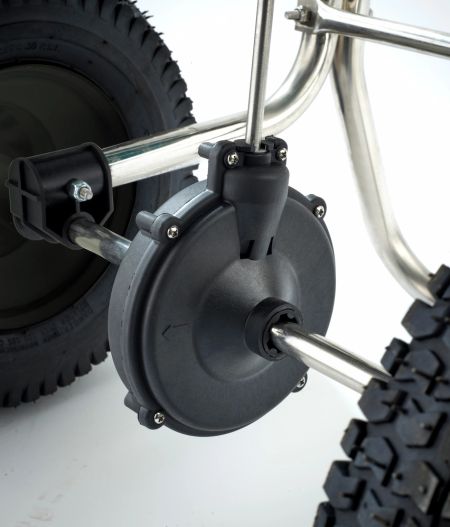
Because It Matters How Spreaders Are Made.
Because It Matters How Spreaders Are Made.
A spreader's job sounds simple: put material down evenly, every time. Doing that reliably is the hard part.
These machines are pushed for thousands of kilometres a year. They spread abrasive, corrosive material. They're used in freezing mornings, wet afternoons, on slopes, rough ground, and long routes where vibration works on every tolerance. Salt and fertiliser find weaknesses quickly.
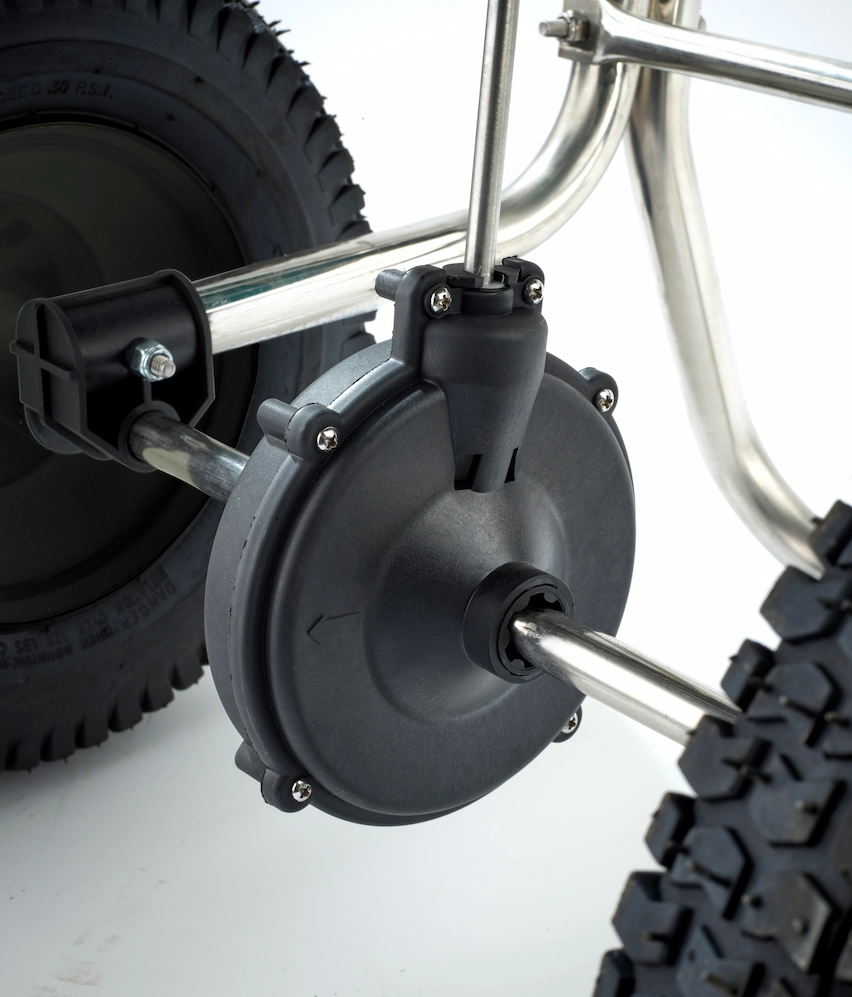
Cresco isn't a brand built around marketing claims. It's an engineering-led organisation shaped by how spreaders are designed, tested, built, and supported in the real world.
Inside Cresco is where that structure becomes visible — how decisions are made, where responsibility sits, and why the details don't get left behind.
After decades in this industry, you learn which details matter — and how much difference they make when the work gets tough.
The Part You Don't See
A spreader looks straightforward once it's in use. What's less visible is the work that happens before it ever reaches the field.
Design decisions are tested, adjusted, and validated long before production. Small changes to flow, tolerance, or material choice are examined because they affect how the machine behaves over years of use — not just on day one.
That work isn't visible when things go right. But it's the difference between equipment that stays predictable and equipment that slowly drifts out of control.
The Part You Don't See
Most of what makes a spreader reliable isn't obvious. It's in the way a part moves, the material behind it, and the tolerances that stay true after long use. These decisions decide whether a machine behaves properly when conditions aren't ideal — which is most of the time.
And these aren't challenges you solve once. Materials change. Fertiliser blends change. Winters change. So you stay close to the work and refine things as the seasons teach you.
That's why we brought manufacturing into our own engineering group. It gives us the freedom to adjust designs quickly and the responsibility to make sure every change works in real conditions.
This is the real job: understanding the details and improving them steadily.
Why We Took Manufacturing In-House
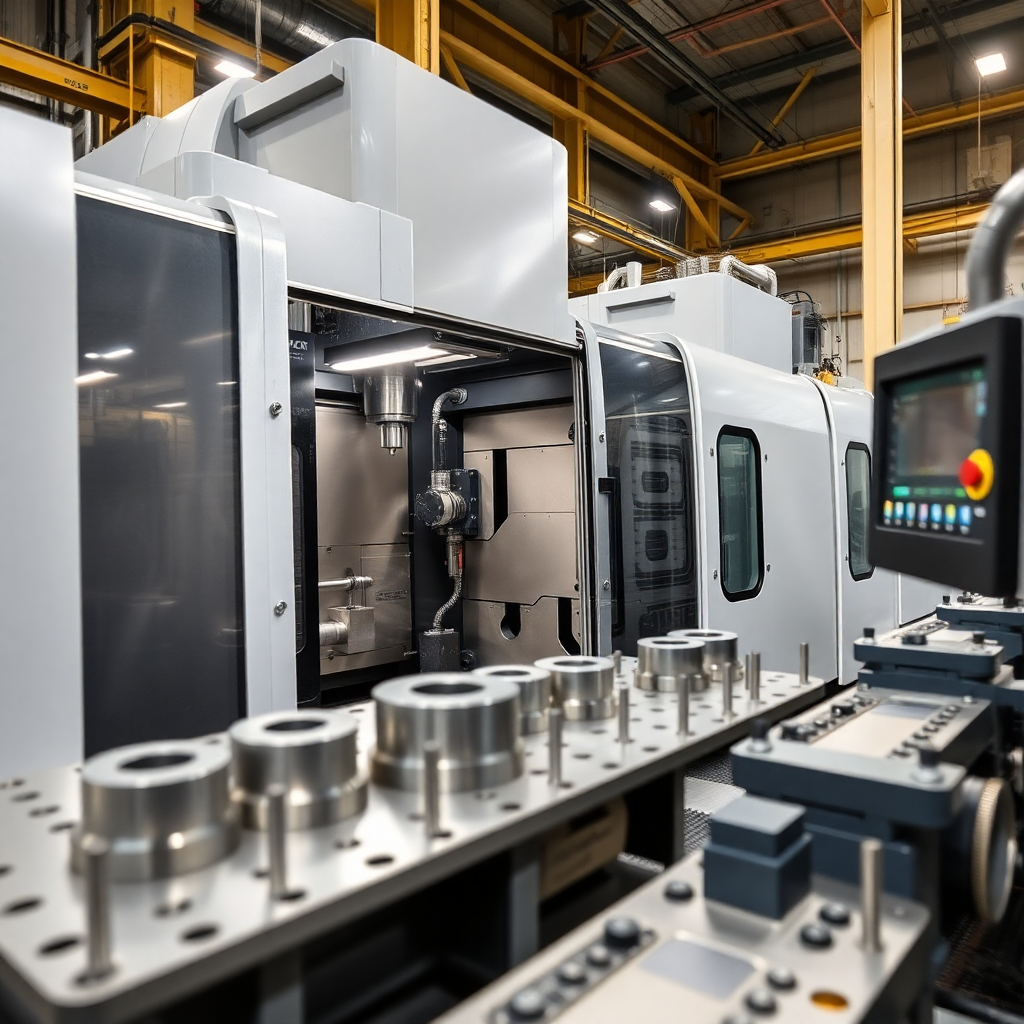
For Cresco, manufacturing isn't just where products are assembled. It's where engineering decisions are tested, corrected, and made real.
- •Design, tooling, testing, and production working as one system
- •Problems addressed directly, not passed along a supply chain
- •Changes tested and validated before reaching the field
- •Machines that remain predictable and serviceable over time
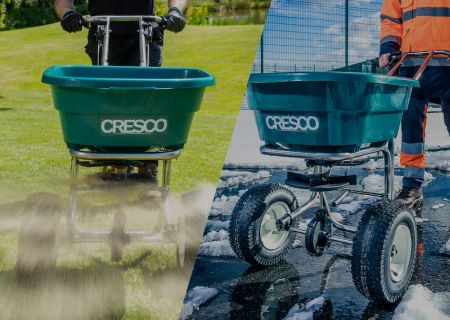
Why We Took Manufacturing In-House
For years, spreaders forced people into choices that never felt right.
If you wanted something durable, it was expensive. If you wanted something affordable, it wasn't built for hard use. If you needed winter stock, you gambled. And if you wanted one machine for fertiliser and salt, you bought two.
The people relying on these machines — distributors, turf teams, contractors — carried the compromises.
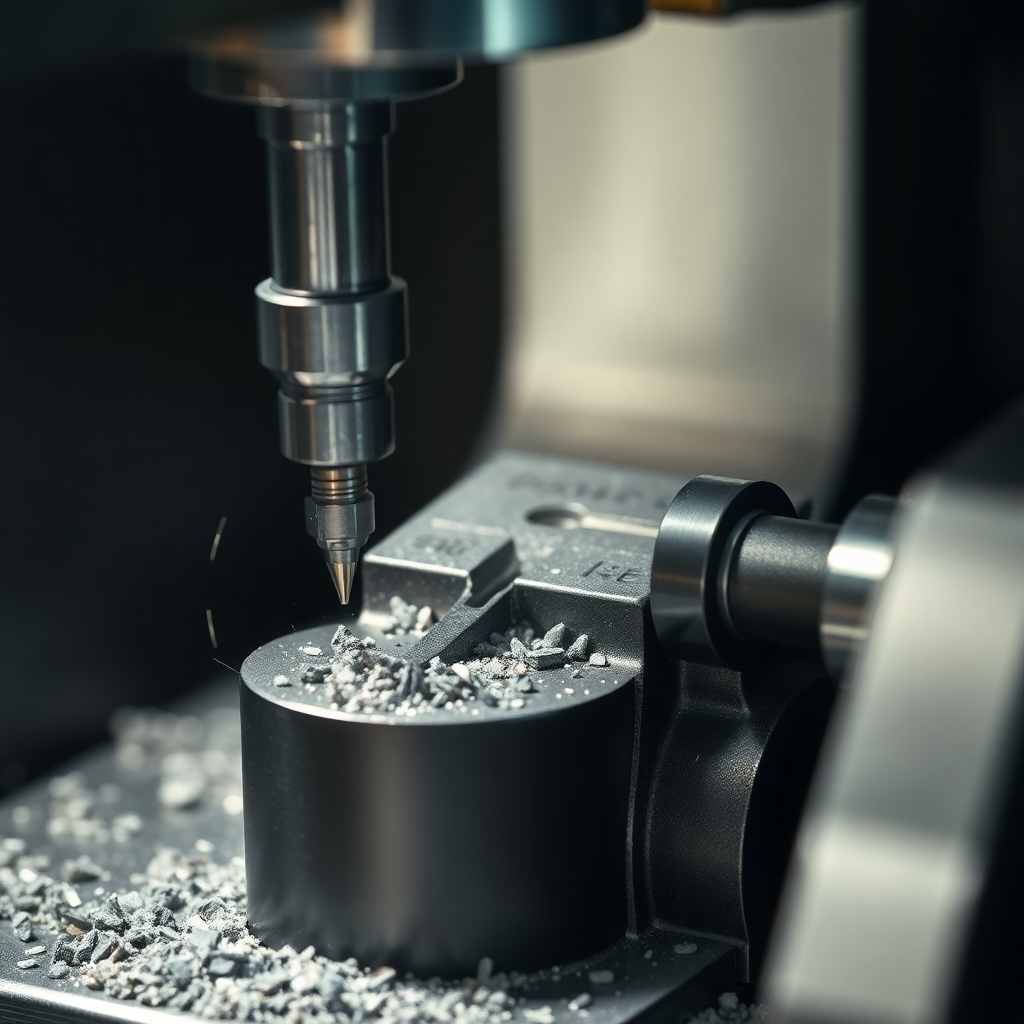
Where Problems Come From
The more time we spent across the industry, the clearer it became: compromises existed because the people building the equipment weren't close to the people depending on it.
Why We Took Control
We believed the people relying on these machines deserved better.
To build our way, we needed full control of design, tooling, testing, and production. So we took it.

What Changed When We Did
We took manufacturing in-house because we wanted to be fully responsible for the results.
And once we did, improvements moved faster. Tolerances stayed tight. Designs held their shape season after season.
The Engineering Group Behind Cresco
Cresco operates within an engineering group built around real-world use, manufacturing, and long-term support — not isolated product development.
- •Distribution and servicing provide real-world feedback
- •Engineering teams test and refine design decisions
- •Manufacturing validates changes before release
- •Support and spare parts remain aligned over time
Knowledge doesn't move between organisations — it stays inside the same system.
The Engineering Group Behind Cresco
Cresco sits inside a family of engineering companies built around a simple idea: keep design, manufacturing, distribution, and real-world use close enough to inform each other.
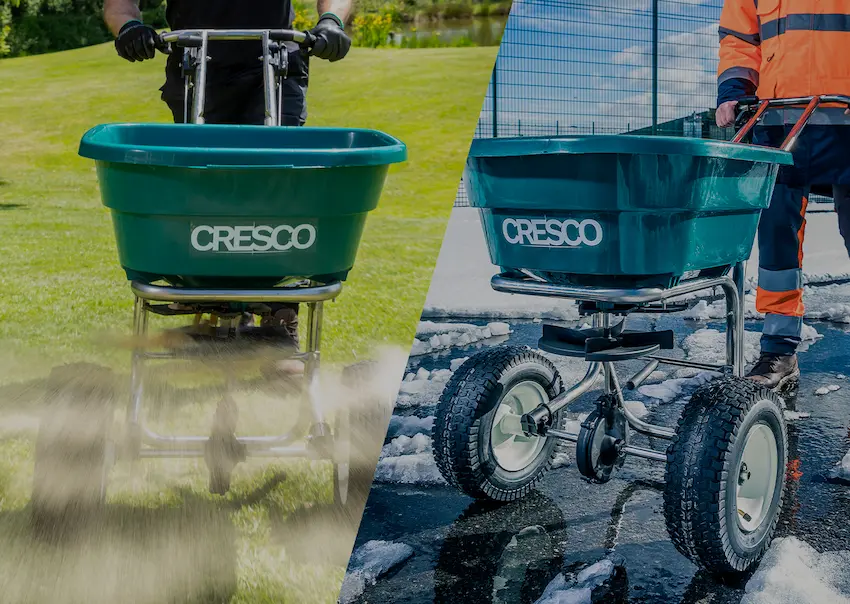
Cresco
TESTING • DISTRIBUTION • PRODUCT INSIGHT
Cresco is where product insight and testing come together — controlled calibration, field feedback, real-use performance, and iterative R&D. It's also the centre of distribution across the UK and internationally, keeping information, product movement, and engineering decisions connected to what actually happens in the field.
Istec
MANUFACTURING • TOOLING • ASSEMBLY
Istec handles manufacturing — tooling, moulding, machining, and assembly. Once Cresco and Charles Walters refine what needs improving, Istec turns those decisions into repeatable parts and complete machines, keeping production fast, consistent, and tightly controlled.
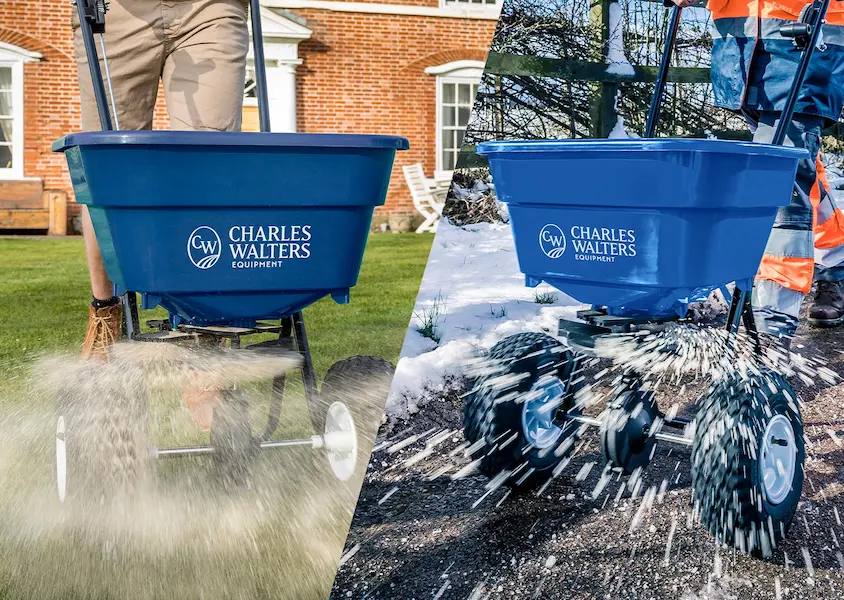
Charles Walters
US OPERATIONS • REGIONAL TESTING
In the United States, the same loop runs under the Charles Walters name — testing equipment in local conditions, distributing it across regional markets, and feeding real-use insight straight back into design so the machines stay aligned with how professionals work.

George A. Palmer
GROUP OVERSIGHT • WINTER OPERATIONS
Experience gained through years of daily winter operations — frozen material, shifting conditions, and early-morning routes — remains embedded within the group. Originally developed through AccuGrit, that hard-earned insight now sits within George A. Palmer, informing Cresco’s approach to cold-weather reliability, material behaviour, and real-world durability.
Proven at Scale
Over 500,000 spreaders built and supported
Manufactured across multiple production cycles, with long-term service and spare-part support in mind.
Less than 0.5% of units require warranty support
A reflection of controlled design, testing, and manufacturing — not short-term fixes.
Used by professionals in over 40 countries
Operating across different materials, climates, and working conditions.
Proven at Scale, Measured in Detail
The system behind Cresco isn't theoretical — it's engineered in real conditions, validated in volume, and refined through constant feedback.
150,000+
Units manufactured since 2024 — the same quality & precision going into every machine.
0.75%
A warranty claim rate below 0.75% for all our units.
1,000+ hrs
Real-world testing carried out across winter and turf environments to expose weaknesses early.
How We Work
Work at Cresco follows a simple loop — from real-world use back into engineering and manufacturing.
Feedback comes first
Input from distribution, servicing, and use in the field highlights where machines perform well — and where they don't.
Engineering responds
Design changes are tested, adjusted, and validated with manufacturing close at hand.
Production and support stay aligned
Updates are carried through into production, documentation, and spare parts so machines remain consistent over time.
Nothing moves forward until it holds up in use.
How We Work
When you've spent years around spreaders — selling them, using them, fixing them — you get a clear sense of what actually matters.
It's usually small things: how smoothly material flows, how a component holds up after long periods of use, how a design behaves in different conditions.
These details decide performance.
So we work simply.
Nothing stays solved forever. Conditions shift. The job evolves.
Having experience and manufacturing in the same place means we can keep improving spreaders in steady, meaningful steps.
1
Listening to real-world use
We listen to the people who use the machines every day — distributors, turf teams, contractors, our own winter crews. Their insight shows where a spreader could work better.
2
Design and build
We take that into design. We focus on the changes that matter. We build them at Istec, where engineering and manufacturing sit close enough for fast, reliable improvement.
3
Test, refine, improve
Then we test — on our rig that shows how a design behaves under load, and outside where conditions don't care about theory. If something works, it goes into production. If it doesn't, we refine it and try again.
And for the people relying on them, that means:
- • Clean, predictable spreading
- • One machine for winter and summer
- • Longer service life
- • Less waste
- • Fewer returns
- • Stock that arrives when it should
It's not a special process. It's just how we work.


IN THE FIELD
“I'm a garden designer and often get asked back to help look after the gardens I've created. I bought a Cresco spreader for those occasions, and it's been a great fit for what I need. It's solidly built and spreads really well.
I like that it's been thought through for the way I actually work — and that parts can be replaced if anything ever wears out, which, given I only use it occasionally, is a real bonus.”
Toby Pritchard
Capel Gardens
The Technology Behind the Performance
Slide System
Smooth, controlled flow.
Spider Agitator
Even material movement, reliable in cold and damp.
Calibration Rig
Rolling-road testing under vibration and load.
Materials & Tolerances
Cold-resistant plastics and metal parts that keep their shape.
No flash. No gimmicks. Just the engineering that makes a spreader dependable.
Doing Things Responsibly
When you build equipment that lasts, the rest follows.
A durable machine
A durable machine stays in service longer, reducing the waste that comes from frequent replacement.
A comprehensive spare-part system
A comprehensive spare-part system keeps every spreader repairable instead of disposable, extending its life responsibly.
A consistent pattern
A consistent pattern means you only put down what the job needs — less fertiliser wasted, less salt over-applied, and less impact on the ground you're working on.
In-house control
And because we keep design and tooling in-house, we control scrap, avoid overproduction, and stay close enough to the work to make improvements responsibly.
None of this was planned as a sustainability strategy. It's simply the result of building things properly.
Bringing It All Together
When experience, engineering, manufacturing, and real-world use stay close, you end up with a spreader built by people who understand what it needs to do.
Not in theory. Not on paper. But out there, where it's actually used.
Every decision we make is about keeping the machine predictable, durable, and straightforward to use.
It isn't complicated. It just takes care, and the willingness to do the job properly.
That's why we build the way we do. Because it matters how spreaders are made.
Marcus Palmer
Managing Director