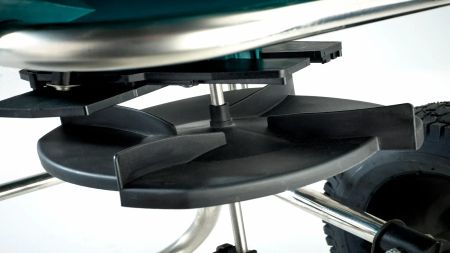
Designed to Handle the Realities of Spreading
Designed to Handle the Realities of Spreading
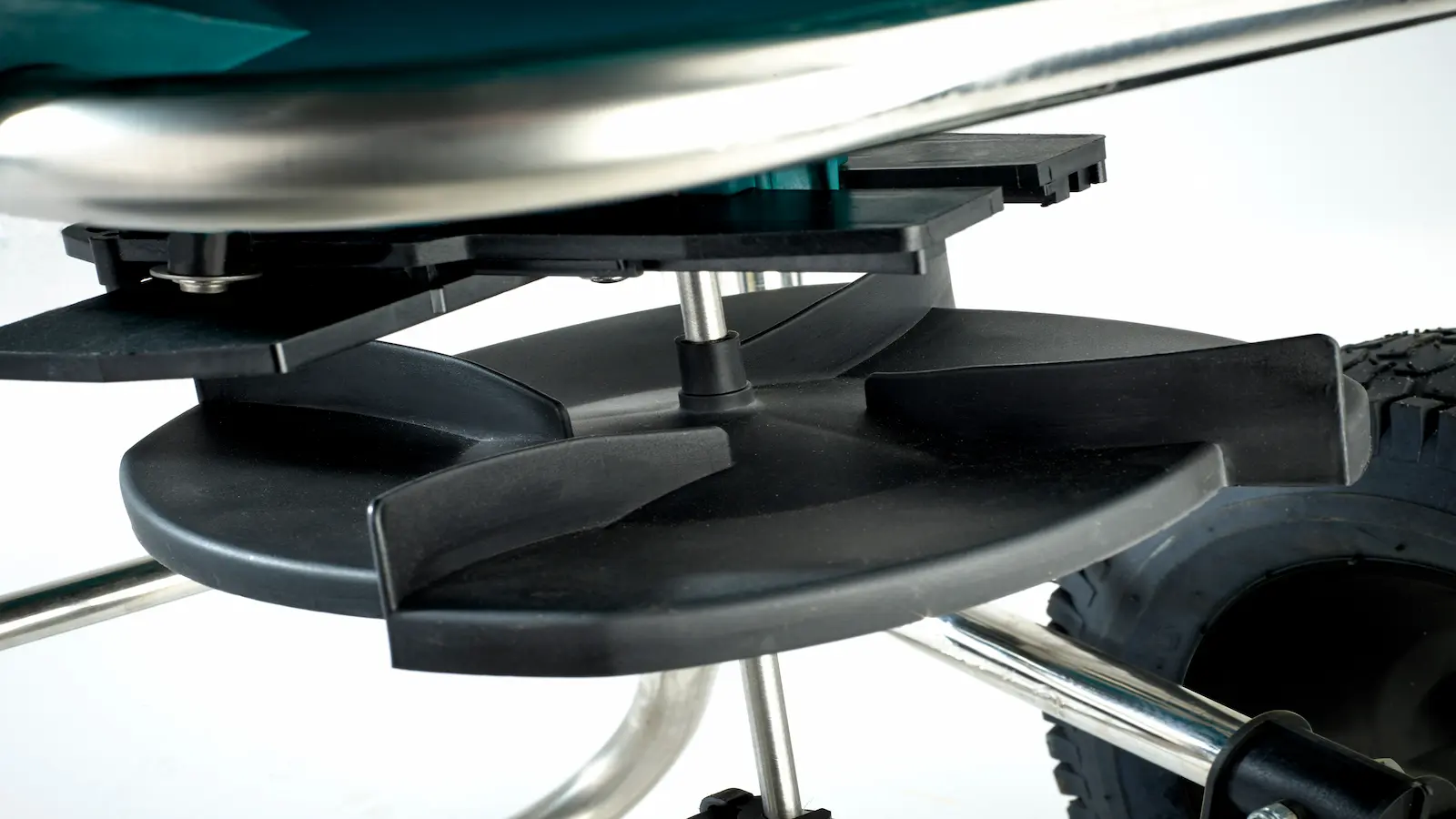
Anyone who spreads fertiliser, seed, or salt regularly knows that it's rarely as simple as it looks.
Materials behave differently. Conditions change. Small variations can affect the result. Yet many spreaders are built around ideal assumptions and leave the rest to the operator.
At Cresco, we design around real working conditions, not perfect ones. We treat accuracy, consistency, and reliability as engineering problems — and design our spreaders to manage as much variation as possible before the user ever needs to compensate.
This page explains how we think about spreading, the problems we've chosen to solve, and how that thinking shows up in Cresco products.
Engineering for Real Conditions
Anyone who spreads fertiliser, seed, or salt regularly knows that it's rarely as simple as it looks.
Materials behave differently. Conditions change. Small variations can affect the result. Yet many spreaders are built around ideal assumptions and leave the rest to the operator.
At Cresco, we design around real working conditions, not perfect ones. We treat accuracy, consistency, and reliability as engineering problems — and design our spreaders to manage as much variation as possible before the user ever needs to compensate.
This page explains how we think about spreading, the problems we've chosen to solve, and how that thinking shows up in Cresco products.
Keeping the Spread Pattern Even
If you've ever seen a spread pattern drift heavier to one side, you'll know how frustrating it can be.
Different materials behave differently on the spinning disc. Lighter fertilisers tend to stay on the disc longer, while heavier granules leave sooner. That alone can skew the pattern, even when walking speed feels consistent.
Most spreaders accept this and rely on the operator to adjust their technique.
Our approach is to give the best possible chance of an even pattern, across a wide range of materials, without relying entirely on changes in walking speed or user judgement. Walking speed will always play a role, but the system is designed to reduce its impact, not amplify it.
Where You'll See This in Cresco Products
- Interchangeable Slider SystemOutlet shape adapts to different materials for even pattern distribution. Quick-change design allows field swaps without tools. Dedicated summer and winter sliders — opening geometry optimised for fertiliser and salt behaviour respectively.
- Border ControlBuilt-in outlet control that cuts off the spread to one side. Keeps fertiliser and salt where they're wanted along paths, beds, and boundaries — clean edges without wasted material or a second pass.
Keeping the Spread Pattern Even
If you've ever seen a spread pattern drift heavier to one side, you'll know how frustrating it can be.
Different materials behave differently on the spinning disc. Lighter fertilisers tend to stay on the disc longer, while heavier granules leave sooner. That alone can skew the pattern, even when walking speed feels consistent.
Most spreaders accept this and rely on the operator to adjust their technique.
Our approach is to give the best possible chance of an even pattern, across a wide range of materials, without relying entirely on changes in walking speed or user judgement. Walking speed will always play a role, but the system is designed to reduce its impact, not amplify it.
Where You'll See This in Cresco Products
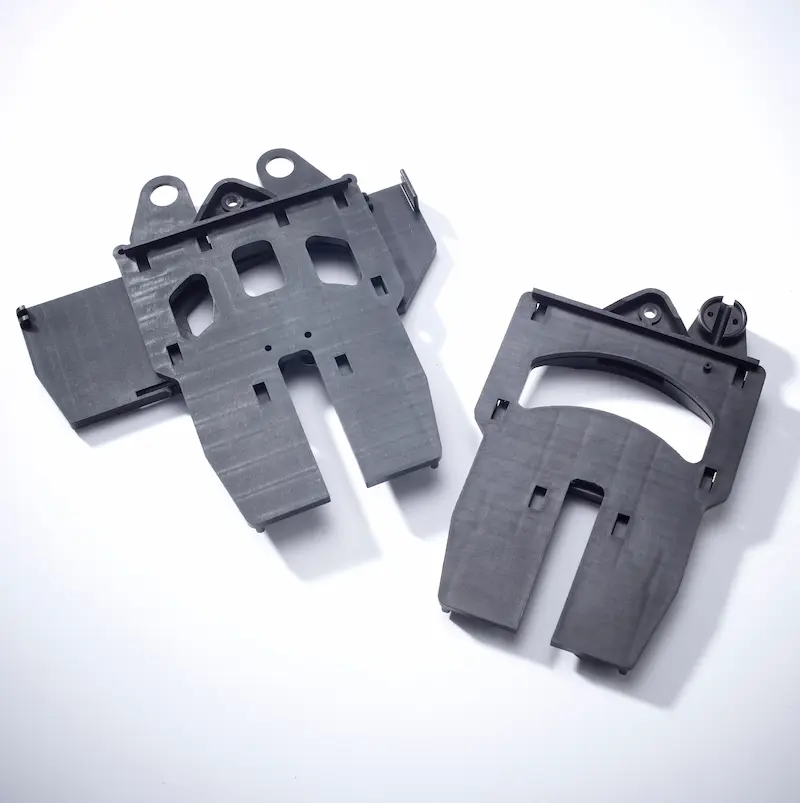
Interchangeable Slider System
Outlet shape adapts to different materials for even pattern distribution. Quick-change design allows field swaps without tools. Dedicated summer and winter sliders — opening geometry optimised for fertiliser and salt behaviour respectively.
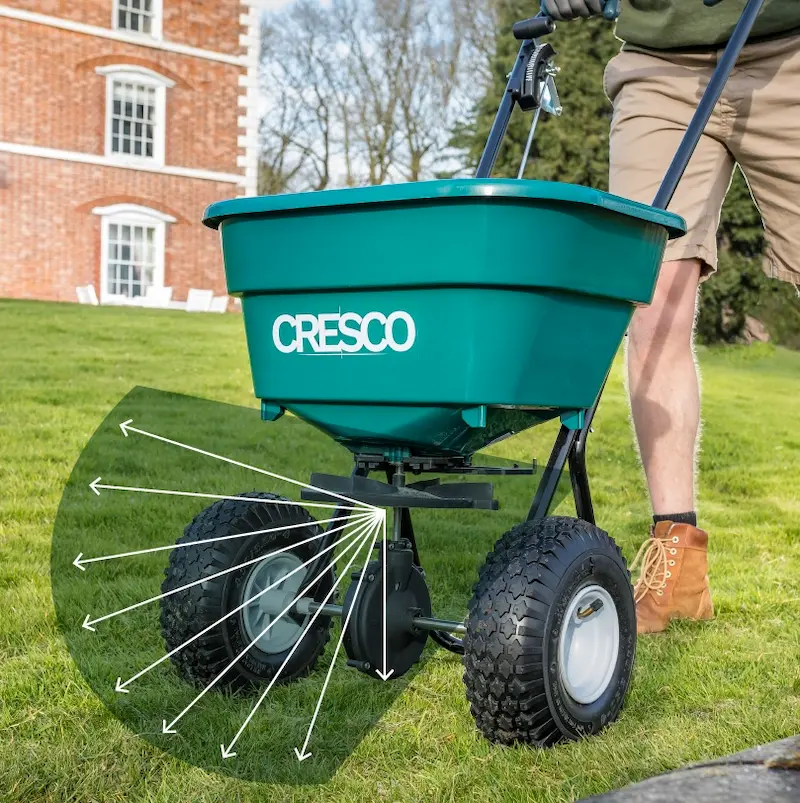
Border Control
Built-in outlet control that cuts off the spread to one side. Keeps fertiliser and salt where they're wanted along paths, beds, and boundaries — clean edges without wasted material or a second pass.
Consistent Results, Day to Day
Getting a spreader set up once is rarely the problem. Keeping it consistent over time is.
Many machines need frequent recalibration. Stop and start a few times, change material, or make a small adjustment, and the original settings no longer mean what they did before.
We try to avoid that.
Our design approach separates key functions wherever possible. Output rate, pattern balance, and shut-off behaviour are treated as distinct controls, rather than one compromise. This helps settings stay meaningful through normal use, instead of drifting with every change.
The aim isn't to remove adjustment entirely — it's to stop adjustments undoing each other.
Where You'll See This in Cresco Products
- Balance Transfer SystemAdjust spread pattern balance without changing total output. Independent left/right control for slope compensation.
- Positive On/OffPreserves your settings when stopping and starting. The lever clicks straight back to its exact previous position — quick and easy, with no re-checking the rate mid-job.
Consistent Results, Day to Day
Getting a spreader set up once is rarely the problem. Keeping it consistent over time is.
Many machines need frequent recalibration. Stop and start a few times, change material, or make a small adjustment, and the original settings no longer mean what they did before.
We try to avoid that.
Our design approach separates key functions wherever possible. Output rate, pattern balance, and shut-off behaviour are treated as distinct controls, rather than one compromise. This helps settings stay meaningful through normal use, instead of drifting with every change.
The aim isn't to remove adjustment entirely — it's to stop adjustments undoing each other.
Where You'll See This in Cresco Products
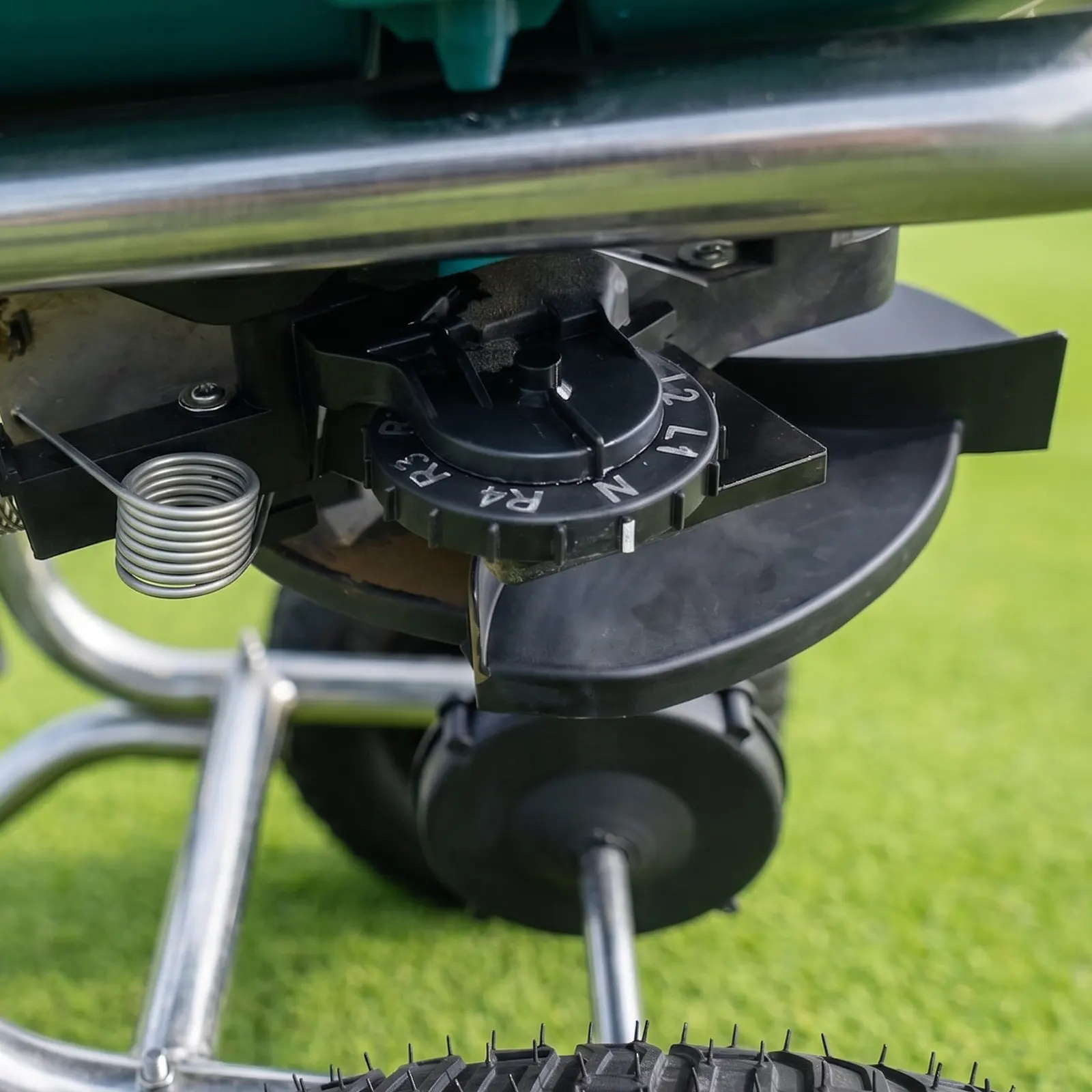
Balance Transfer System
Adjust spread pattern balance without changing total output. Independent left/right control for slope compensation.
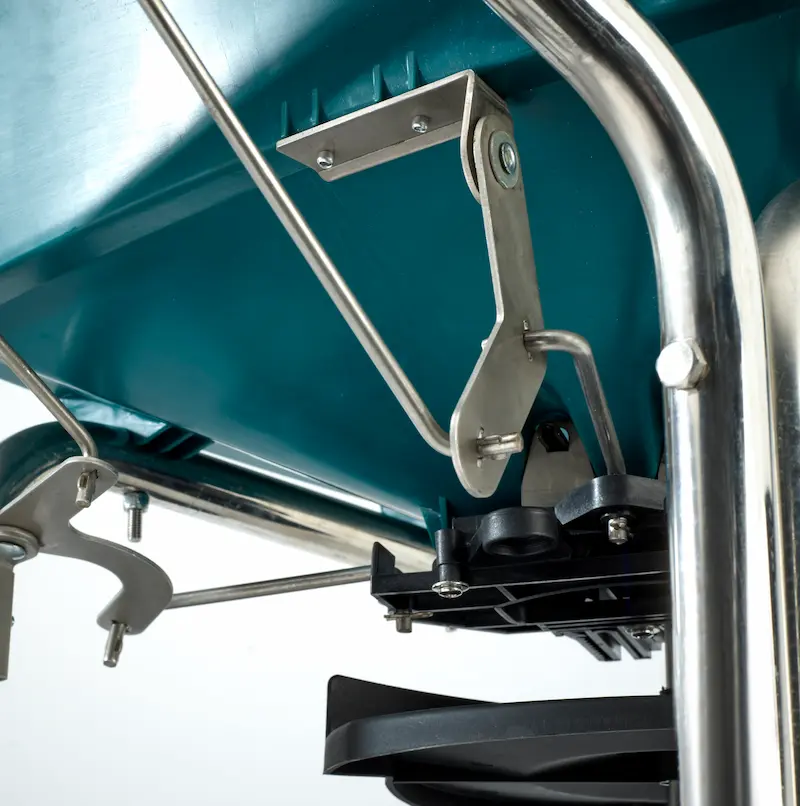
Positive On/Off
Preserves your settings when stopping and starting. The lever clicks straight back to its exact previous position — quick and easy, with no re-checking the rate mid-job.
Reliable Material Flow in Real Conditions
In the real world, materials aren't always dry, free-flowing, or uniform.
They bridge. They clump. They behave well one day and badly the next. Many spreaders perform well in controlled conditions, but struggle when materials are less forgiving.
We design for that reality.
Hopper shape, outlet positioning, and agitation are considered together, with the aim of keeping material moving steadily where it matters most. The focus isn't on maximum output, but on predictable flow to the spreading mechanism.
When material feeds consistently, the rest of the system has a better chance of doing its job properly.
Where You'll See This in Cresco Products
- Spider AgitationPositioned to maximise flow over the drop-hole area. The spider agitation system aids the break-up of any small clumps of material before it reaches the drop holes. Provides improved agitation over conventional pin agitation.
- In-Hopper SieveWorks without creating obstruction points. Mesh size calibrated to catch debris while allowing consistent material flow.
- Hopper DesignShaped to reduce bridging and dead zones. Calculated angles create smooth hopper sides which encourage consistent material flow.
- Rain CoverHelps keep seed, fertiliser, and salt dry while you work, so material flows more evenly and doesn’t clump in damp or changeable weather.
Reliable Material Flow in Real Conditions
In the real world, materials aren't always dry, free-flowing, or uniform.
They bridge. They clump. They behave well one day and badly the next. Many spreaders perform well in controlled conditions, but struggle when materials are less forgiving.
We design for that reality.
Hopper shape, outlet positioning, and agitation are considered together, with the aim of keeping material moving steadily where it matters most. The focus isn't on maximum output, but on predictable flow to the spreading mechanism.
When material feeds consistently, the rest of the system has a better chance of doing its job properly.
Where You'll See This in Cresco Products

Spider Agitation
Positioned to maximise flow over the drop-hole area. The spider agitation system aids the break-up of any small clumps of material before it reaches the drop holes. Provides improved agitation over conventional pin agitation.
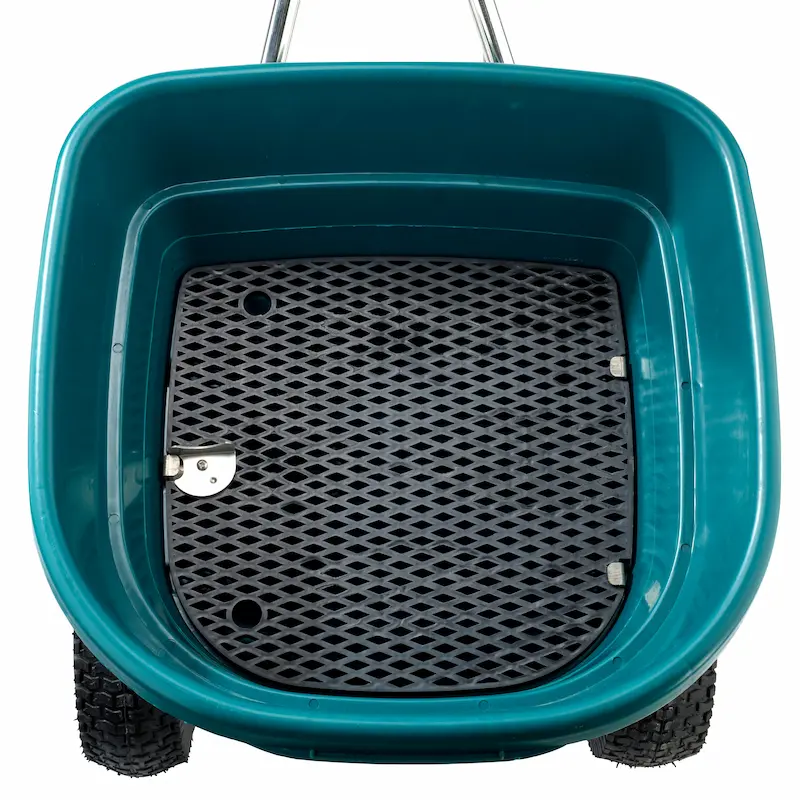
In-Hopper Sieve
Works without creating obstruction points. Mesh size calibrated to catch debris while allowing consistent material flow.
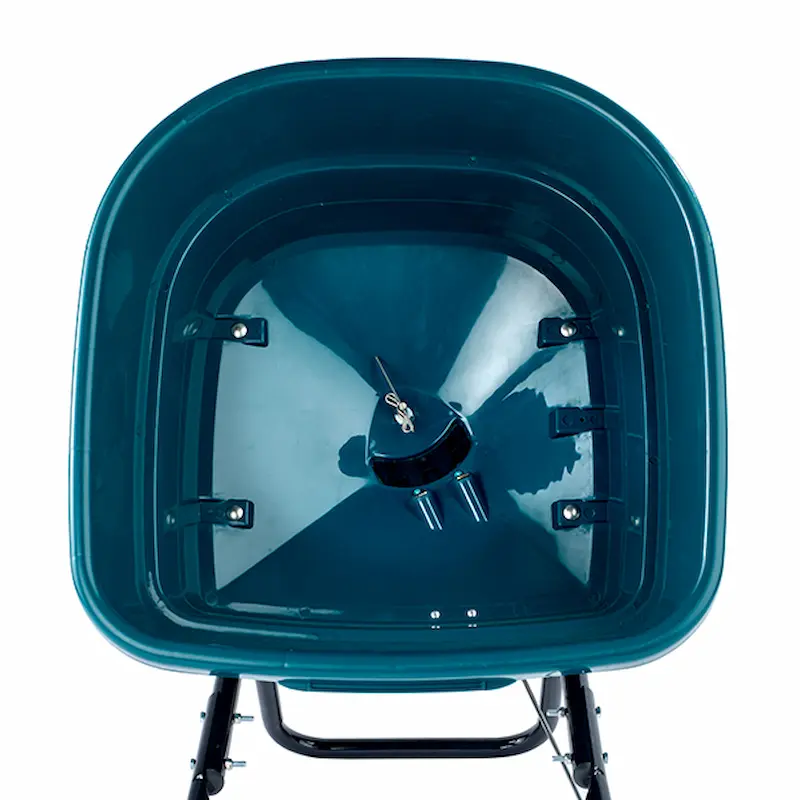
Hopper Design
Shaped to reduce bridging and dead zones. Calculated angles create smooth hopper sides which encourage consistent material flow.

Rain Cover
Helps keep seed, fertiliser, and salt dry while you work, so material flows more evenly and doesn’t clump in damp or changeable weather.
Consistency Over the Life of the Machine
A spreader shouldn't behave differently just because it's been used.
Over time, wear, misalignment, and small changes in tolerances can affect how a machine spreads. These issues are often accepted as inevitable.
We design around them.
Our engineering decisions focus on long-term alignment, balance, and stability — not just performance when the machine is new. The goal is consistent behaviour year after year, not short-term gains.
Longevity isn't only about durability. It's about maintaining predictable performance over time.
Where You'll See This in Cresco Products
- 50:1 Ratio GearboxChosen for consistent drive and long-term reliability. The gear ratio maintains constant impeller speed when pushed at 3 miles per hour.
- Stainless Steel ChassisFocused on balance and stability as well as strength. The chassis design distributes load evenly across the wheelbase, making it easier to push.
- Solid Rod Control LinkageProvides direct, positive action controlling the on/off. Unlike cable linkages, a solid rod doesn't stretch or seize, so the action stays consistent over the life of the machine.
- Floating Self Centering GearboxMaintains alignment under load and on slopes. Axle gearbox engagement over a large area ensures precise transmission of drive to the impeller and agitator system.
Consistency Over the Life of the Machine
A spreader shouldn't behave differently just because it's been used.
Over time, wear, misalignment, and small changes in tolerances can affect how a machine spreads. These issues are often accepted as inevitable.
We design around them.
Our engineering decisions focus on long-term alignment, balance, and stability — not just performance when the machine is new. The goal is consistent behaviour year after year, not short-term gains.
Longevity isn't only about durability. It's about maintaining predictable performance over time.
Where You'll See This in Cresco Products
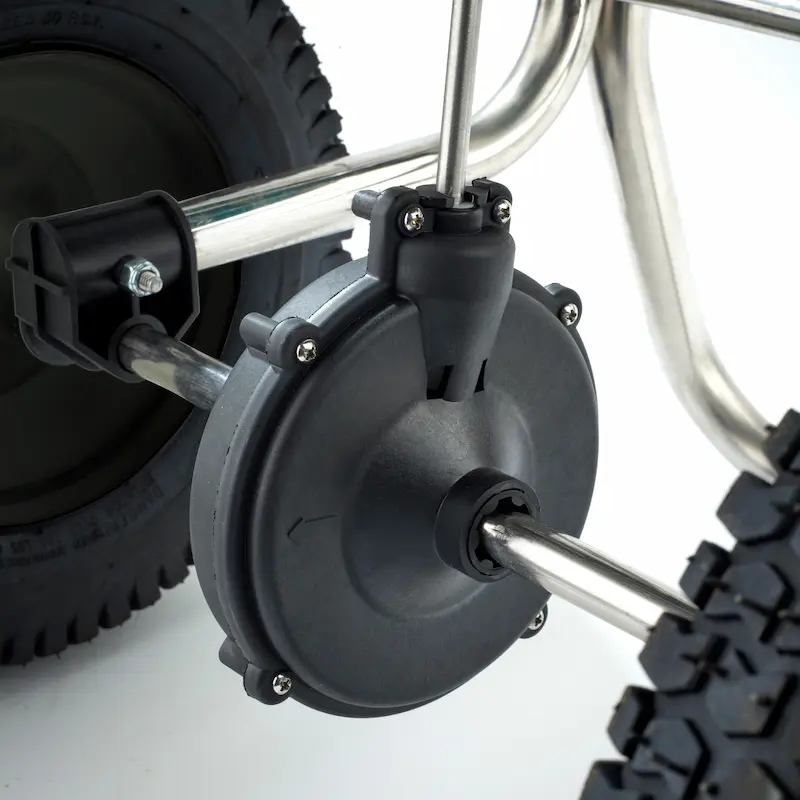
50:1 Ratio Gearbox
Chosen for consistent drive and long-term reliability. The gear ratio maintains constant impeller speed when pushed at 3 miles per hour.

Stainless Steel Chassis
Focused on balance and stability as well as strength. The chassis design distributes load evenly across the wheelbase, making it easier to push.
Solid Rod Control Linkage
Provides direct, positive action controlling the on/off. Unlike cable linkages, a solid rod doesn't stretch or seize, so the action stays consistent over the life of the machine.
Floating Self Centering Gearbox
Maintains alignment under load and on slopes. Axle gearbox engagement over a large area ensures precise transmission of drive to the impeller and agitator system.
Reducing the Impact of Operator Error
Even experienced operators make small mistakes — especially when starting, stopping, or working in tight areas.
Rather than assuming perfect technique, we design systems that help limit the effect of those moments. Controls are clear. Shut-off actions are decisive. Adjustments are deliberate rather than vague.
The aim isn't to replace skill, but to support it. When the spreader absorbs more variation, results become more consistent across different users and working conditions.
Good engineering doesn't remove the operator from the process. It makes the process more forgiving.
Where You'll See This in Cresco Products
- High-Resolution Adjustment System25 aperture settings provide fine-grain control across a wide range of materials.
- Snap-to-Close On/OffA spring-loaded lever snaps the outlet shut the moment you release it — an evolution of the positive on/off system. Faster shut-off means spreading stops exactly where intended, for clean edges where precision matters. The spring does the work, so the control never needs forcing.
Reducing the Impact of Operator Error
Even experienced operators make small mistakes — especially when starting, stopping, or working in tight areas.
Rather than assuming perfect technique, we design systems that help limit the effect of those moments. Controls are clear. Shut-off actions are decisive. Adjustments are deliberate rather than vague.
The aim isn't to replace skill, but to support it. When the spreader absorbs more variation, results become more consistent across different users and working conditions.
Good engineering doesn't remove the operator from the process. It makes the process more forgiving.
Where You'll See This in Cresco Products
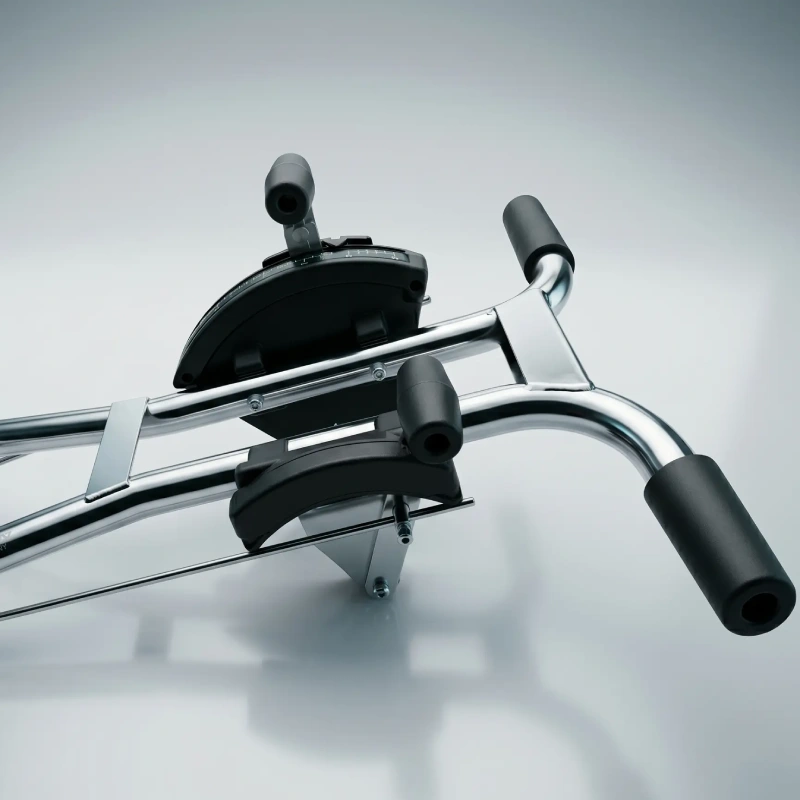
High-Resolution Adjustment System
25 aperture settings provide fine-grain control across a wide range of materials.
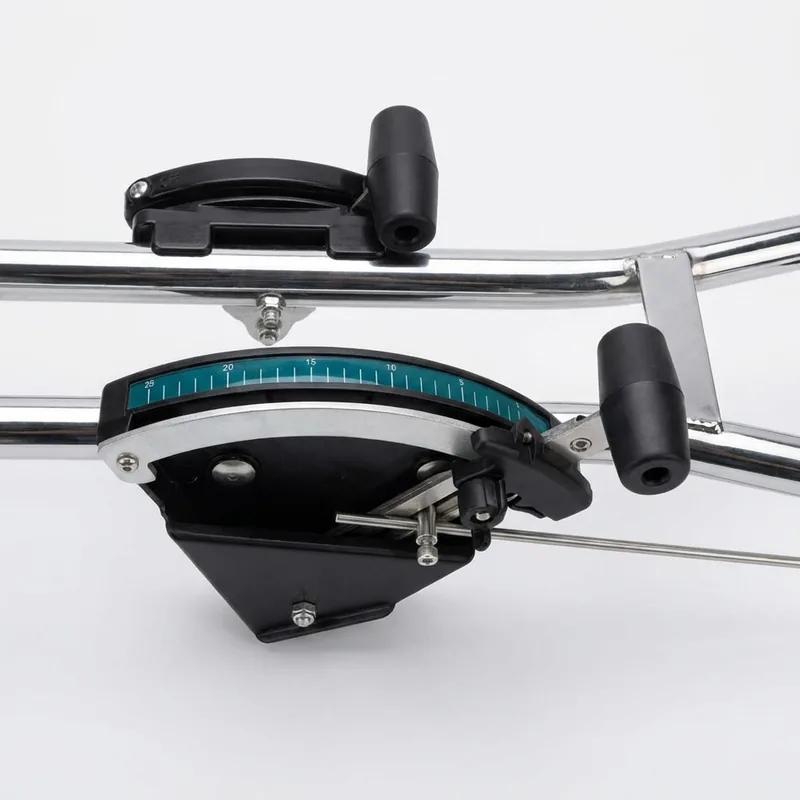
Snap-to-Close On/Off
A spring-loaded lever snaps the outlet shut the moment you release it — an evolution of the positive on/off system. Faster shut-off means spreading stops exactly where intended, for clean edges where precision matters. The spring does the work, so the control never needs forcing.
A System, Not a Collection of Features
None of these decisions matter on their own.
Pattern control, material flow, calibration logic, mechanical stability, and operator interaction all influence one another. Cresco technology is designed as a complete system, where each part supports the others.
That's why Cresco spreaders don't rely on a single feature or mechanism. Performance comes from how the whole system behaves — especially when conditions aren't ideal.
How to Use This When Comparing Products
When reviewing Cresco models, look beyond individual features. Pay attention to how each spreader manages pattern control, material flow, calibration, and long-term consistency as a complete system.
See It in Practice
Explore the Cresco product range to see how these engineering principles are applied in specific models, or visit the Knowledge Hub to learn more about spreading behaviour, calibration, and material performance.
The way equipment is designed, built, and supported determines how it performs years down the line — not just on day one.
At Cresco, engineering, manufacturing, and real-world use stay close. Decisions are tested, responsibility is clear, and changes are carried through properly.
That's not about innovation for its own sake.
It's about building spreaders that remain predictable, serviceable, and dependable over time.
Independent Engineering. Personal Responsibility.
As part of a family-run engineering group, we keep decisions close, manufacturing controlled, and ownership personal — because equipment should be made by people who care about how it’s done.